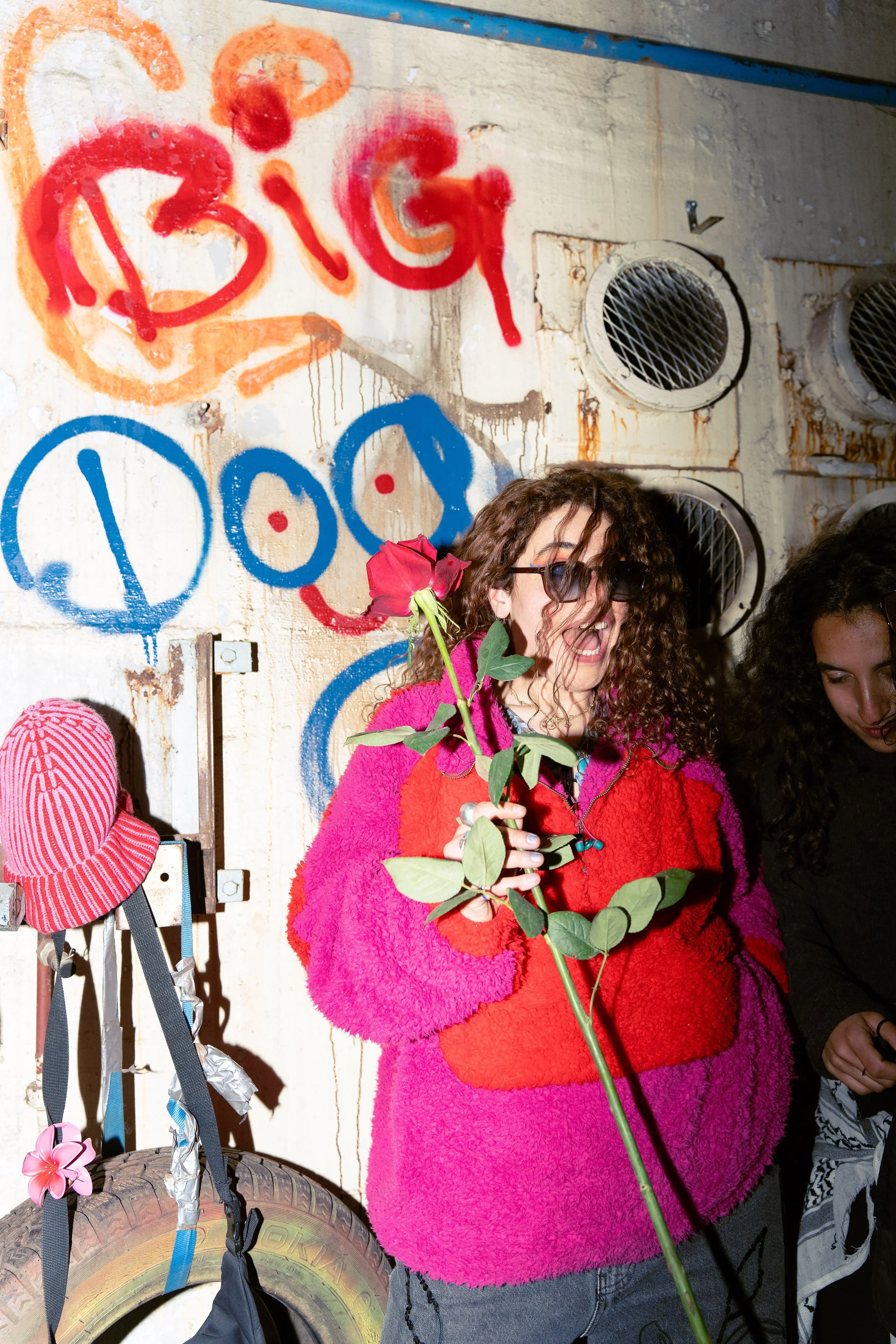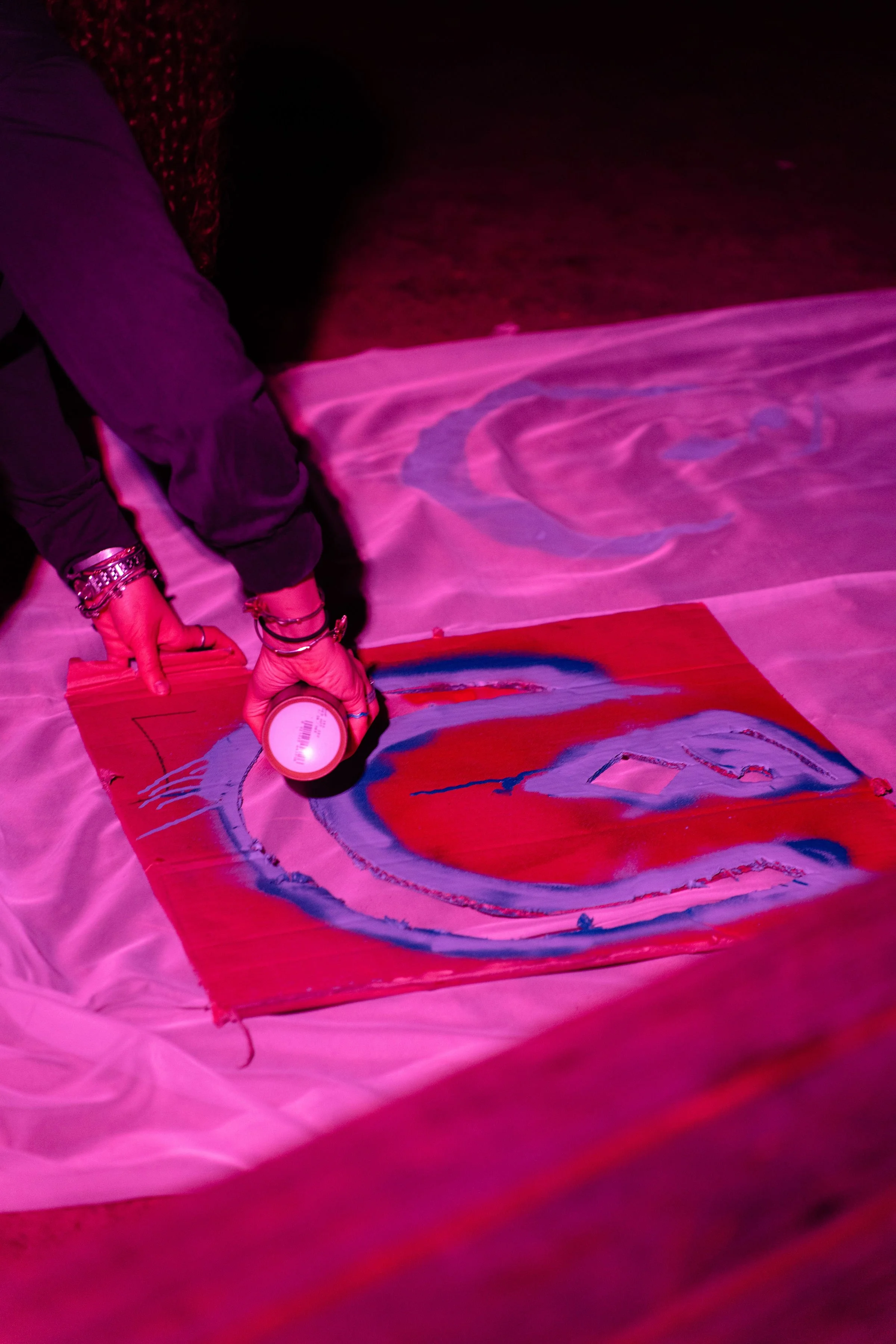
✷ELAKH✷


ELAKH is me, and I am her.
.HKALE.ELAKH.
I don’t really call myself a multidisciplinary artist, not because I don’t work across disciplines, but because the disciplines are not the point.
The work starts with the idea, the emotion, the body and the soul. The medium arrives later, usually after I have asked myself
How on earth this thing is supposed to exist?
I learn quickly because I’m obsessed with languages: spoken languages, sound, images, clothing, bodies, spaces, food and silence. If I had to call myself something, I would say “translator, processor, or an IBM data machine with feelings, a memory problem and too many tabs open.”
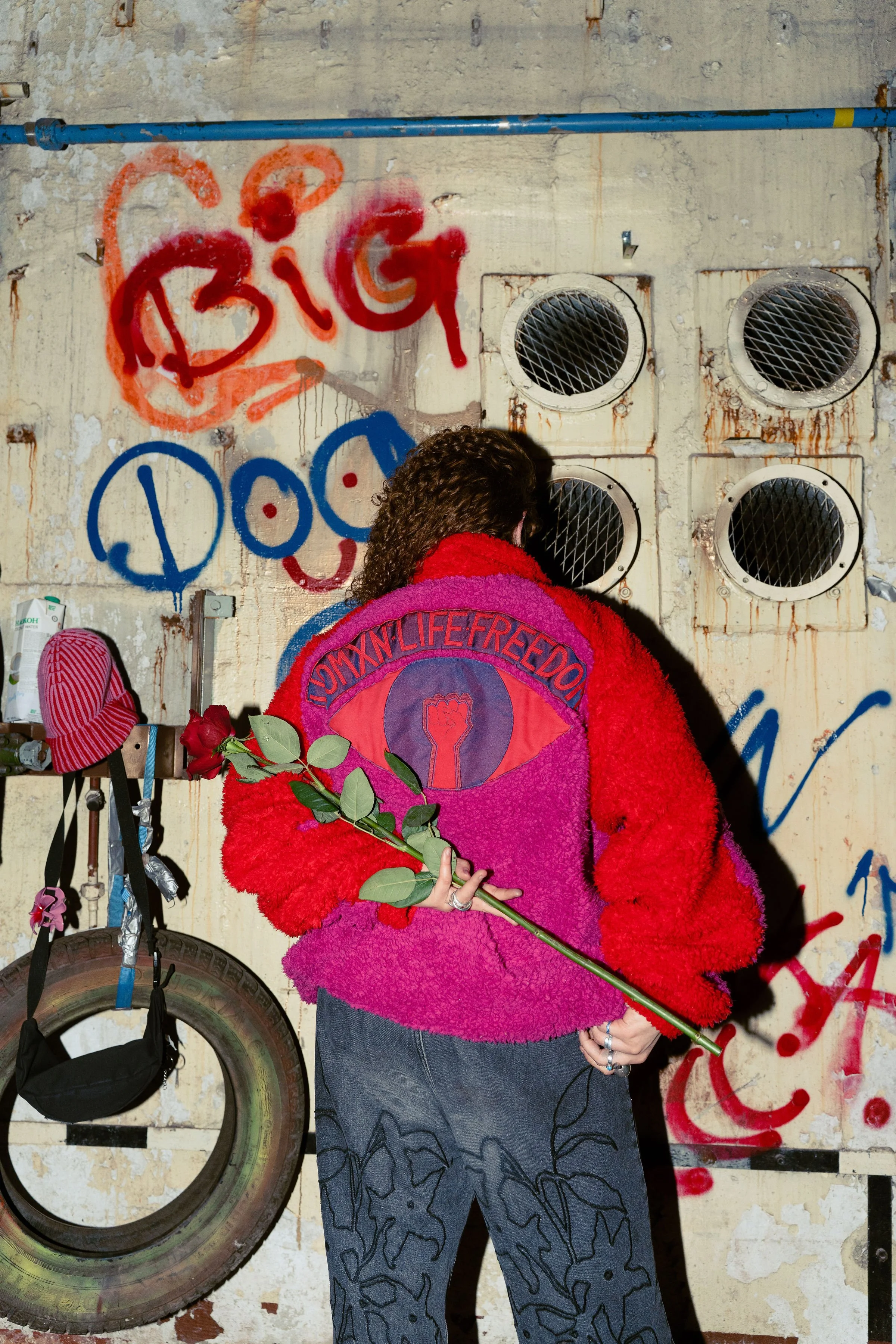
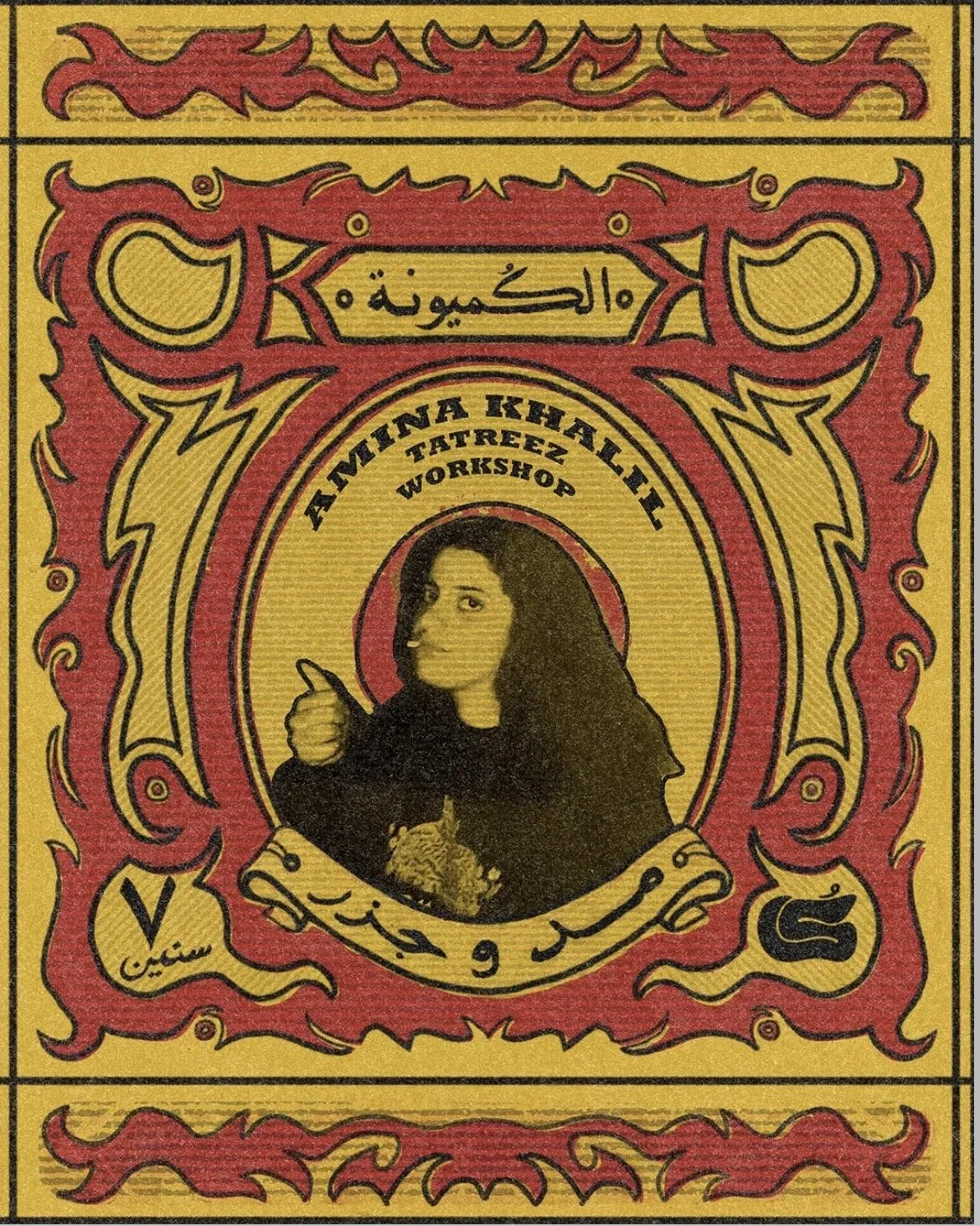
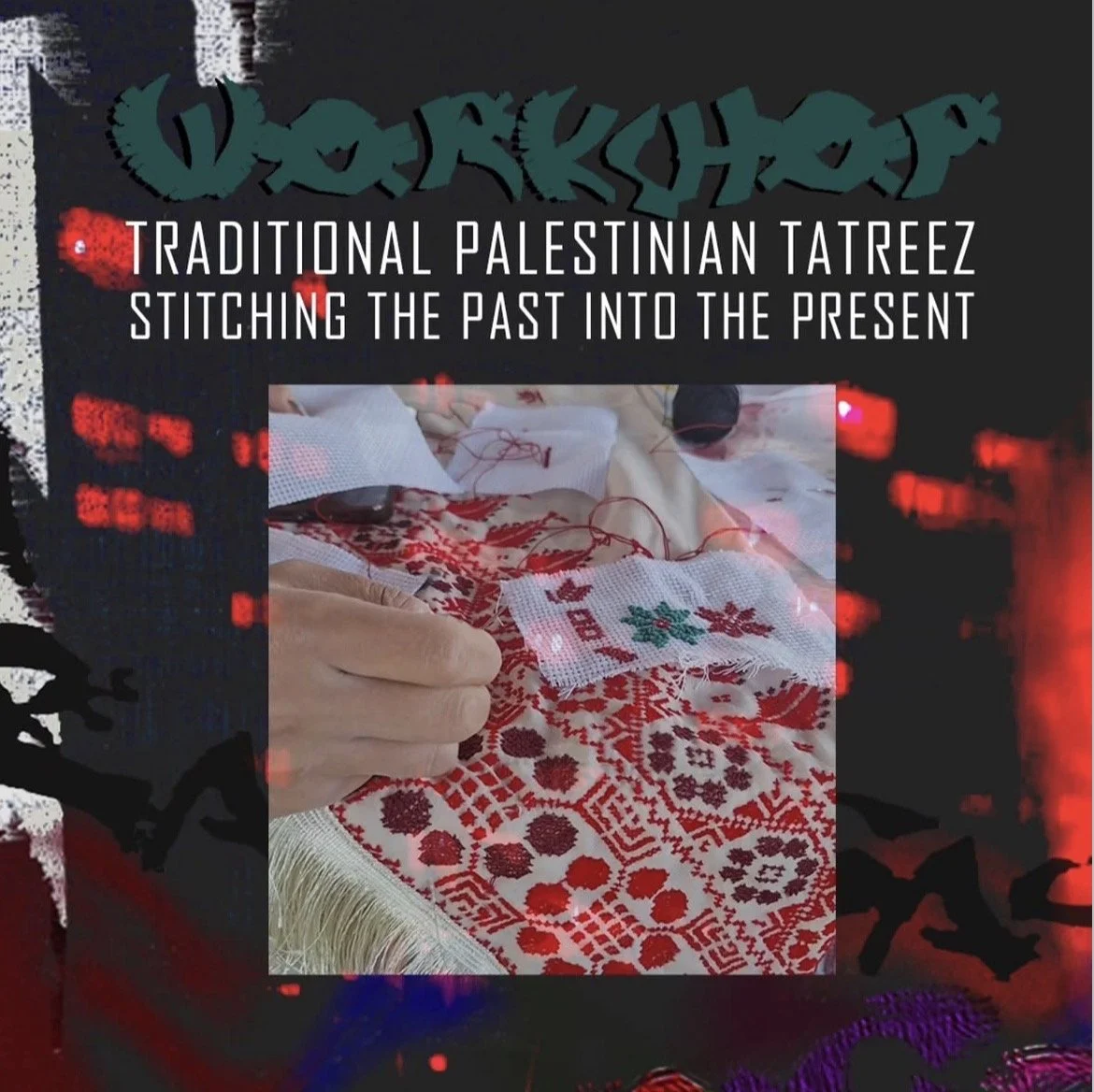
I make music because sound (hearing and listening) is my most sensitive and intimate form of expression and sensation. I write when something needs to be literal, because sometimes even I cannot afford to get lost in translation. I act when I am too afraid to confront reality directly. I work with fashion, textile and embroidery when an idea needs a body, a history, a hand and a little nerve. I use set design, image-making and creative production when it needs a physical world, and I learn whatever skill or tool is necessary to get there. ELAKH is a walking transitional body: she moves between languages, picks up the required equipment, and then acts like this was the plan all along.
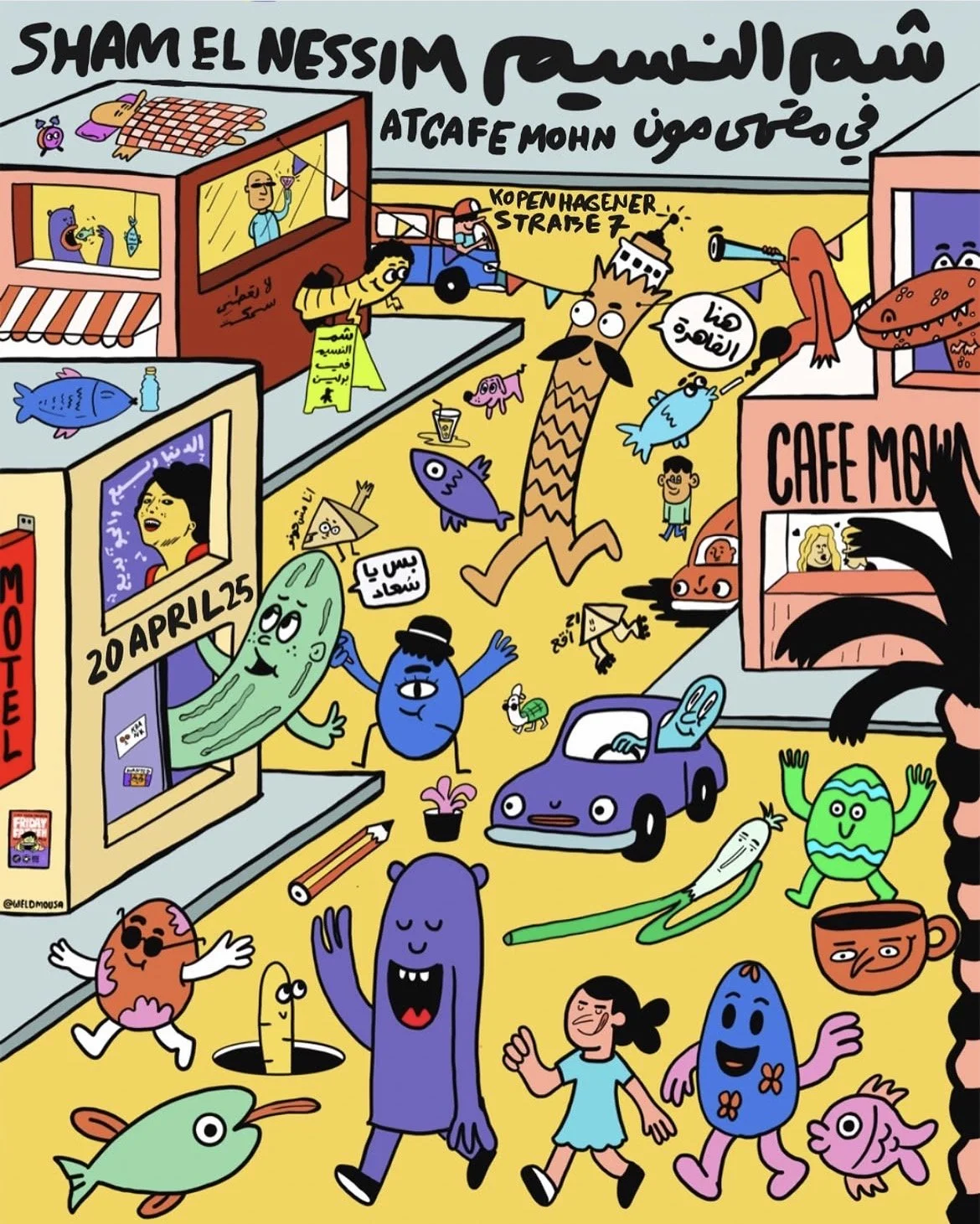
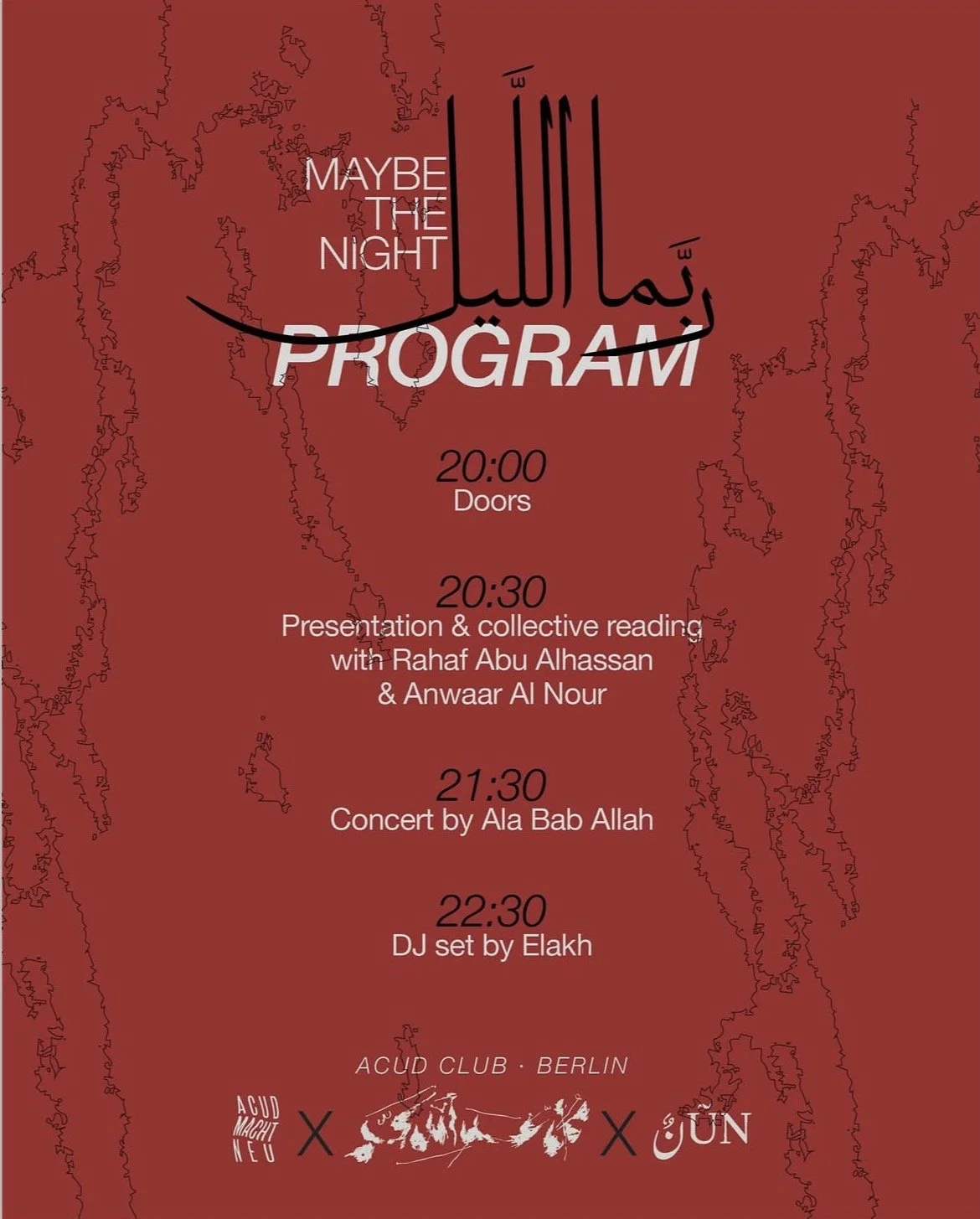
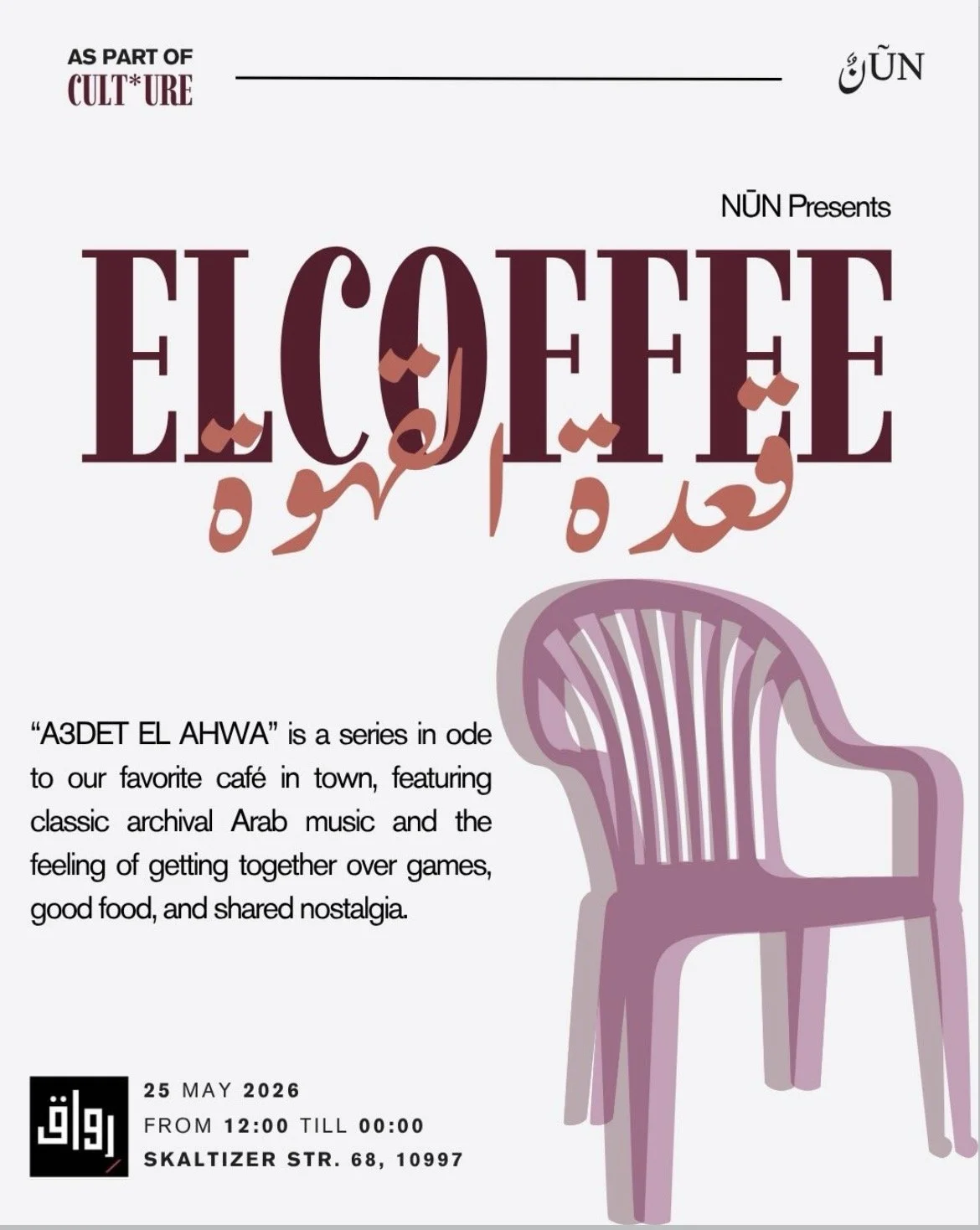
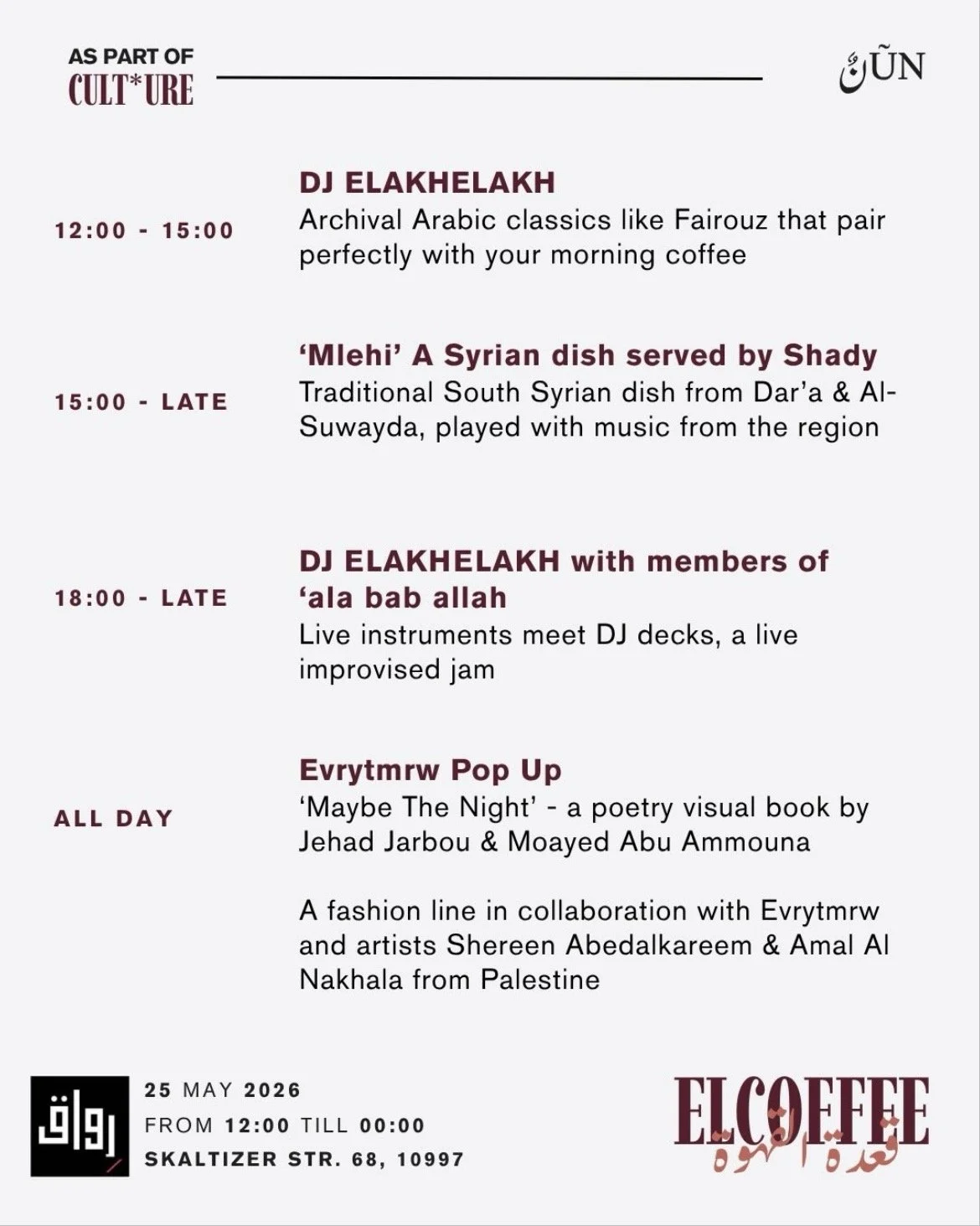
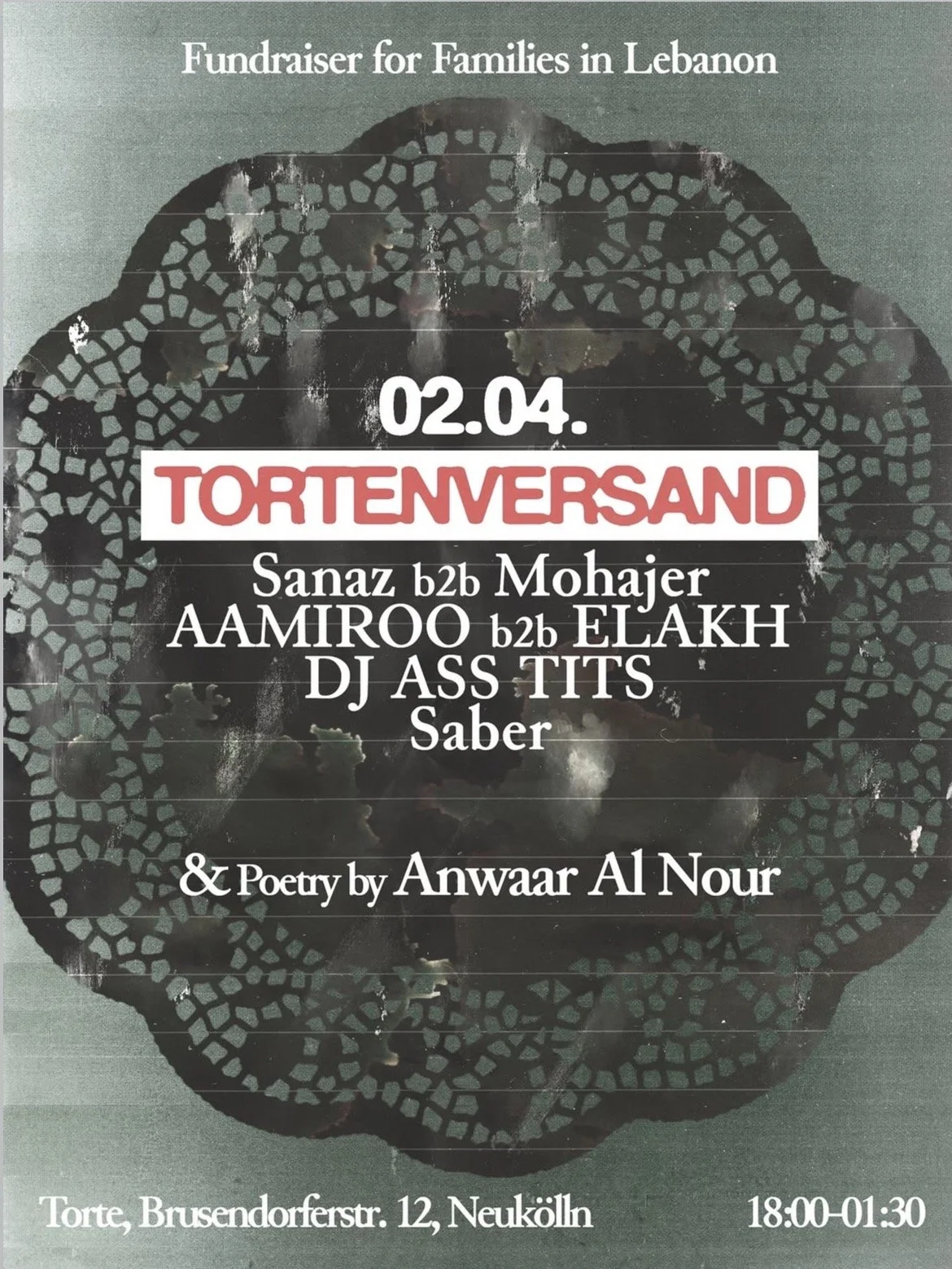

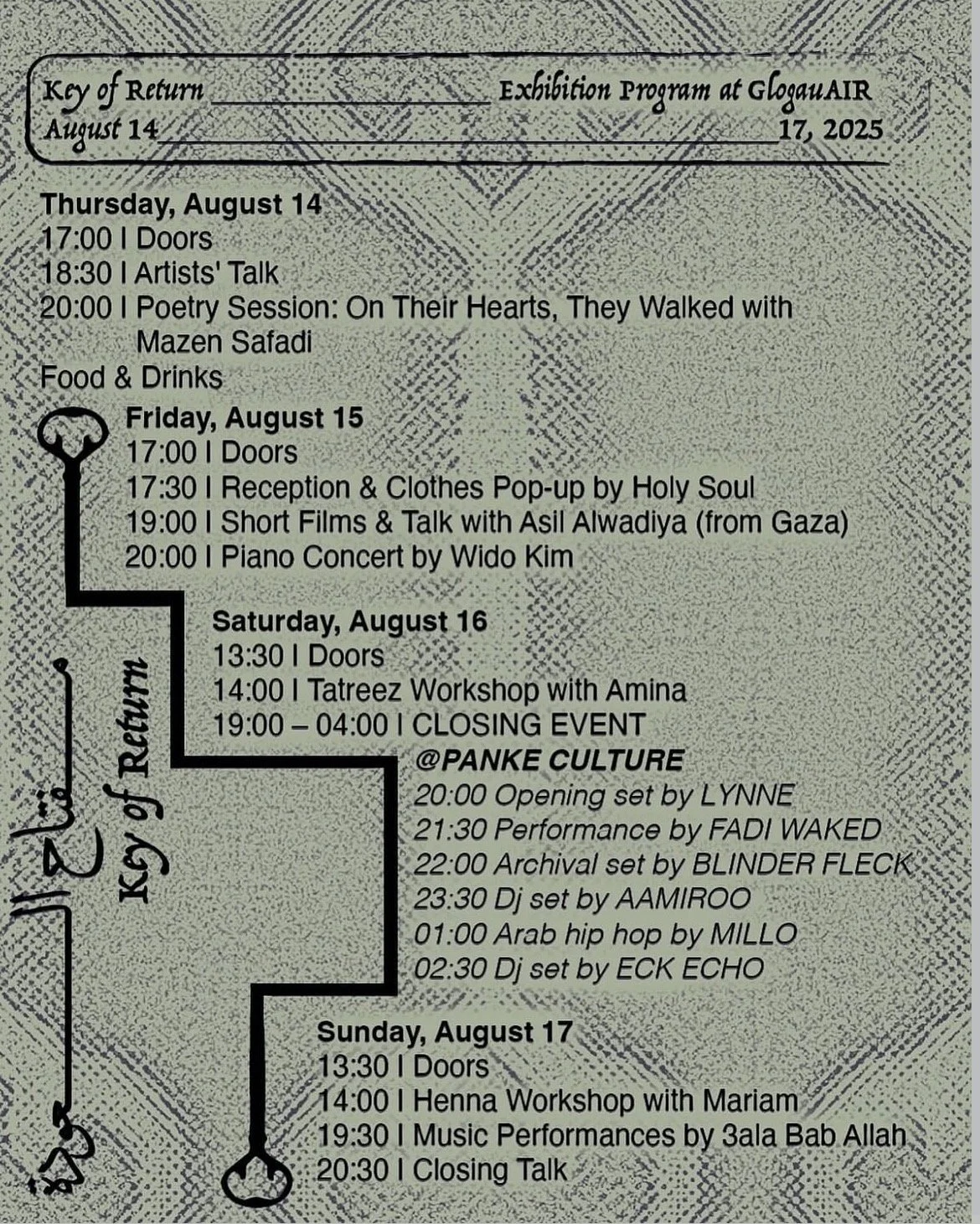
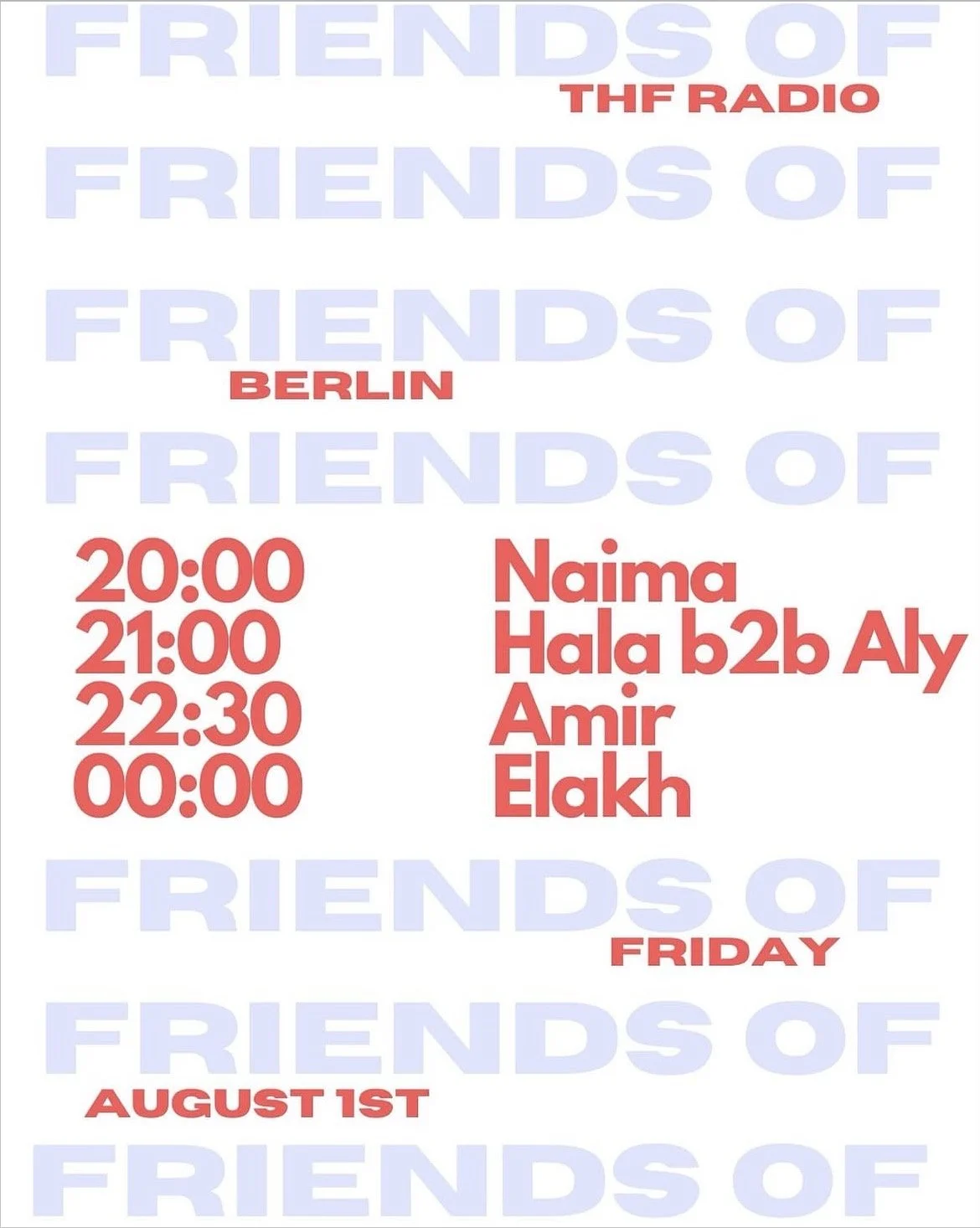
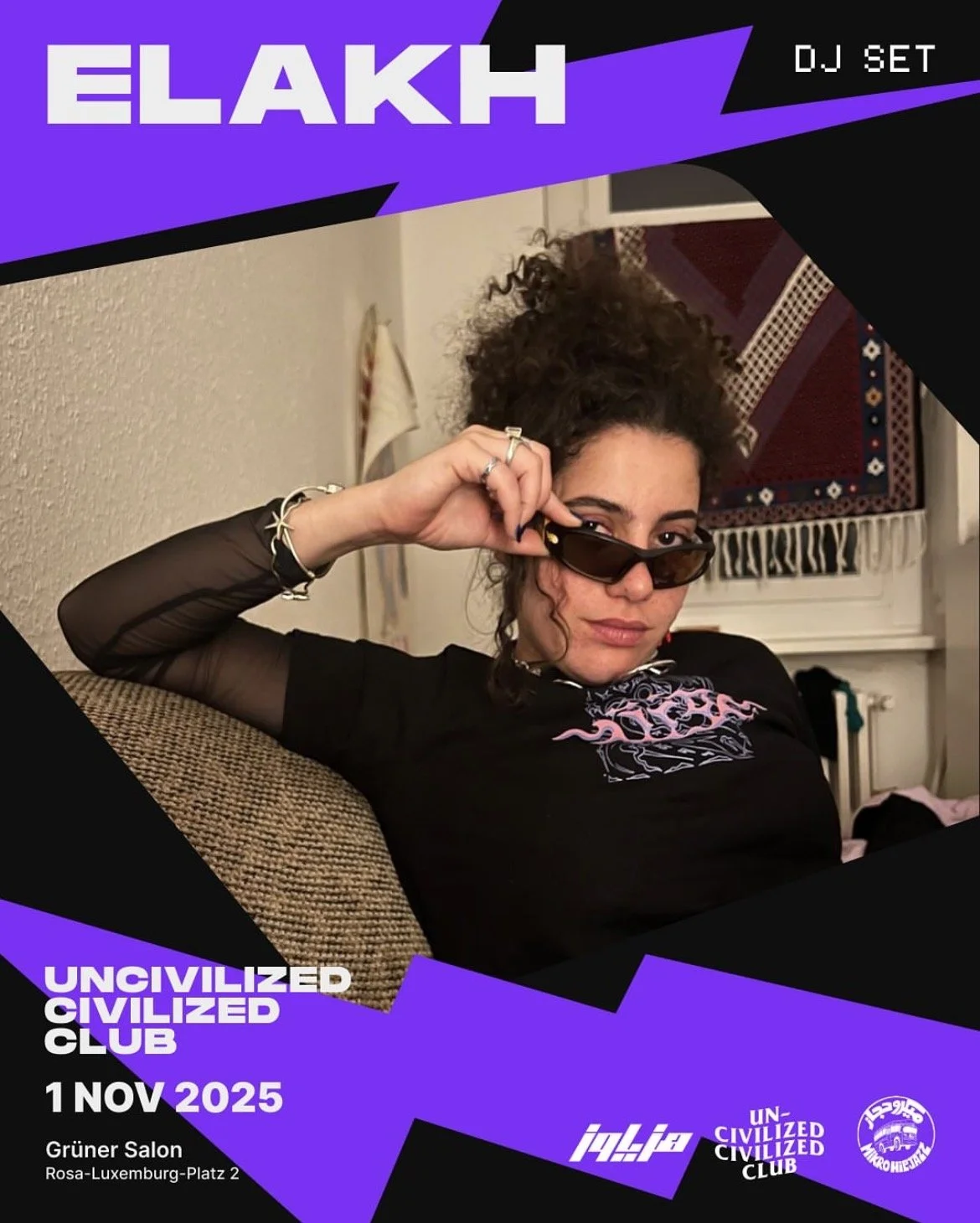
SOUND:
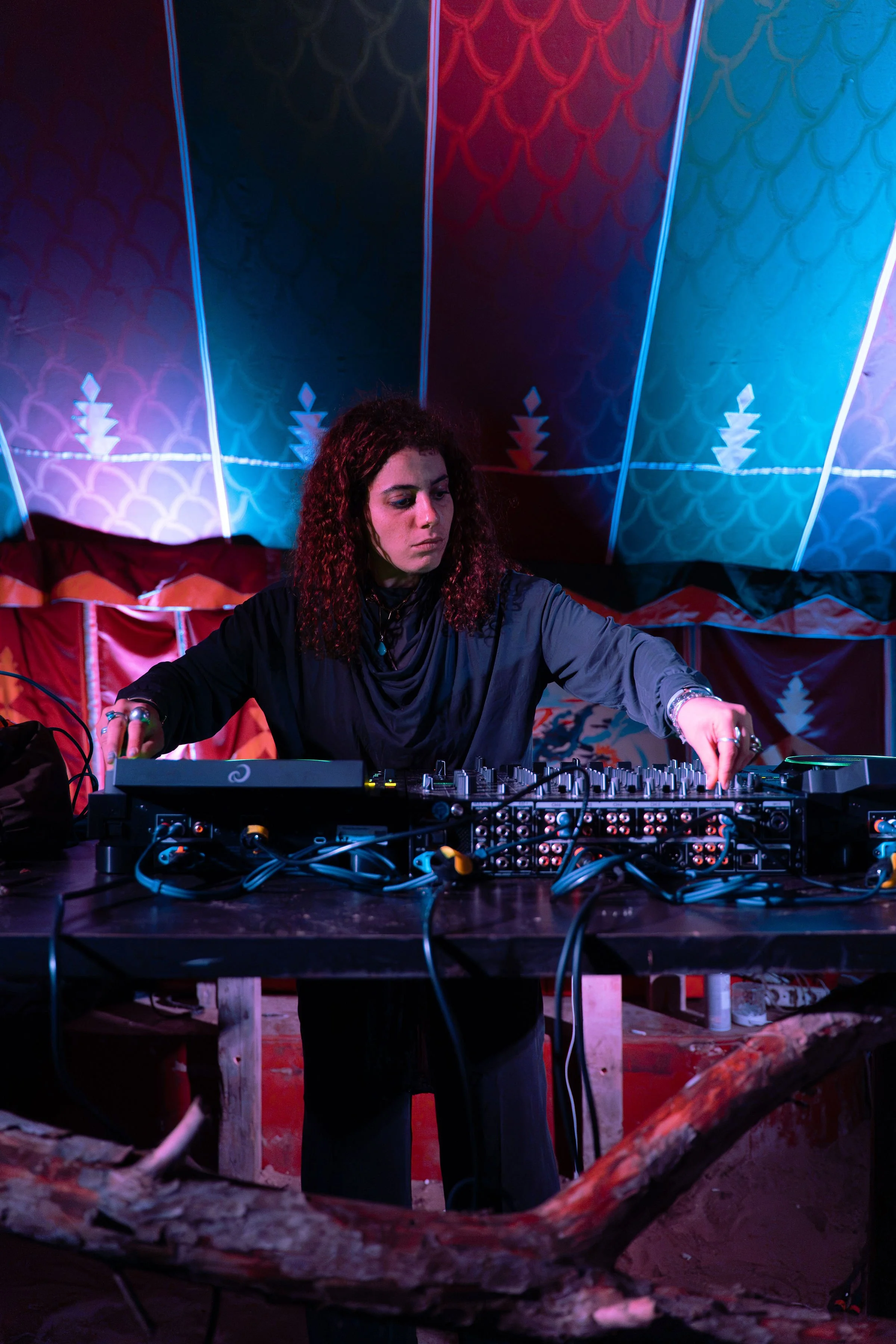
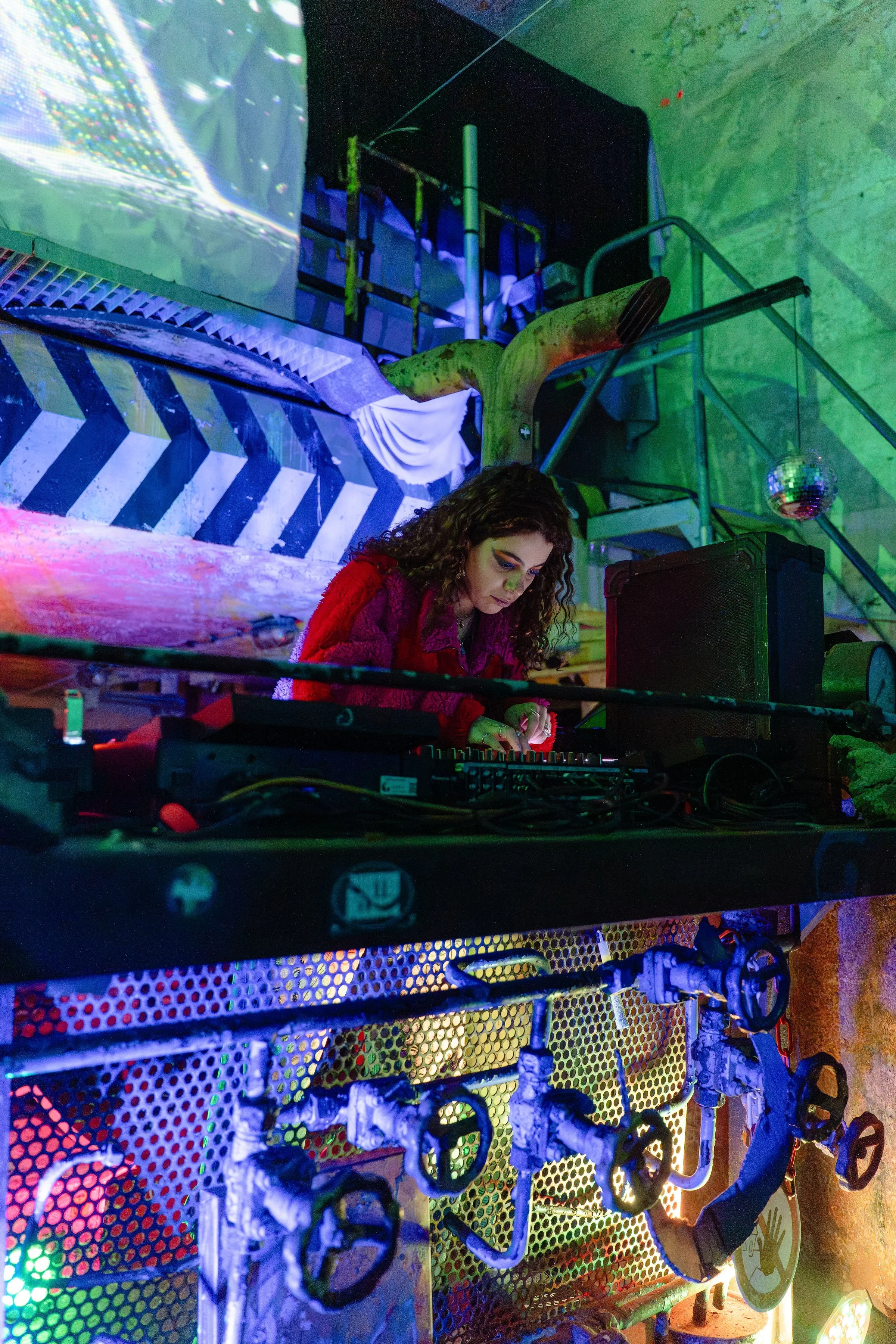
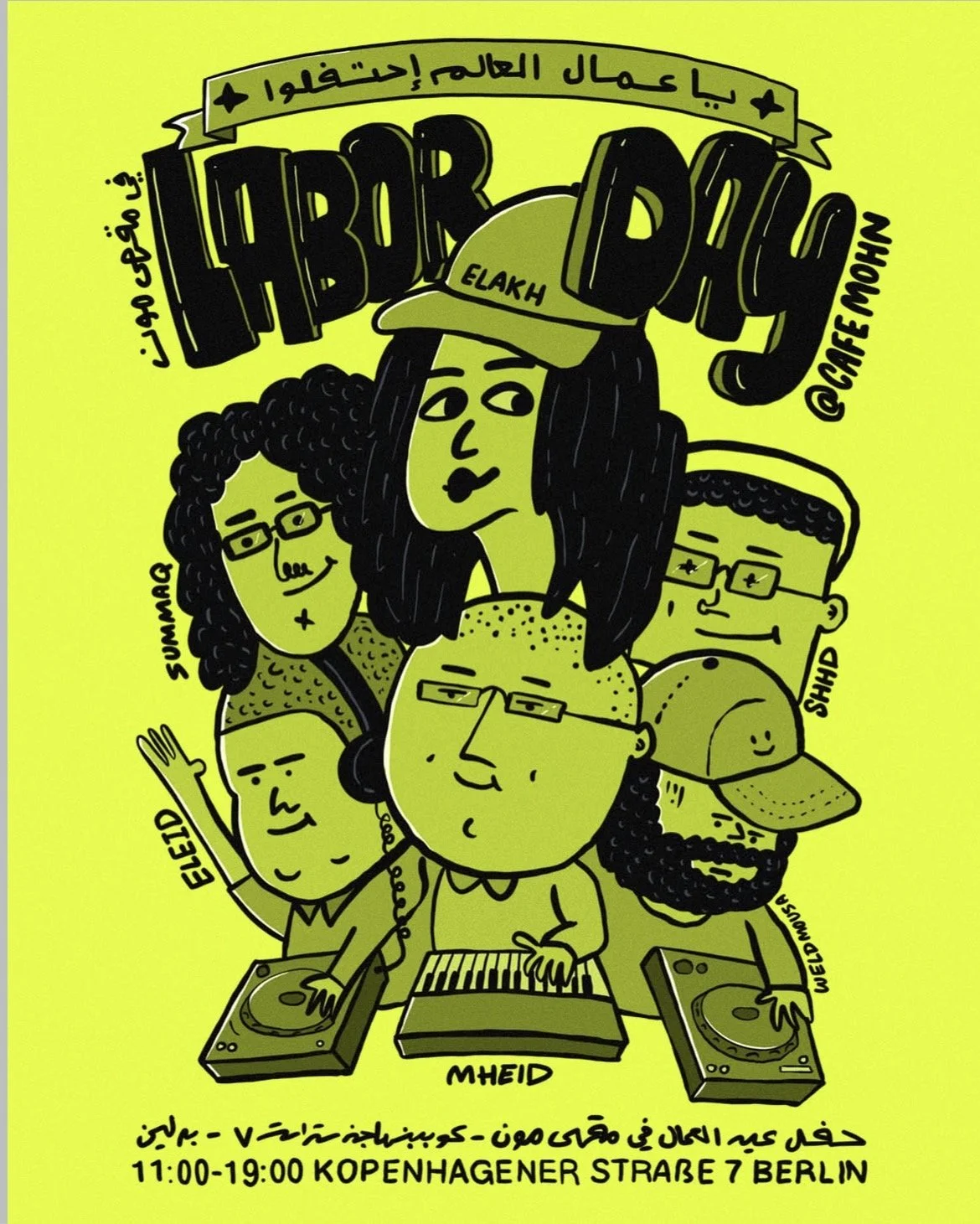
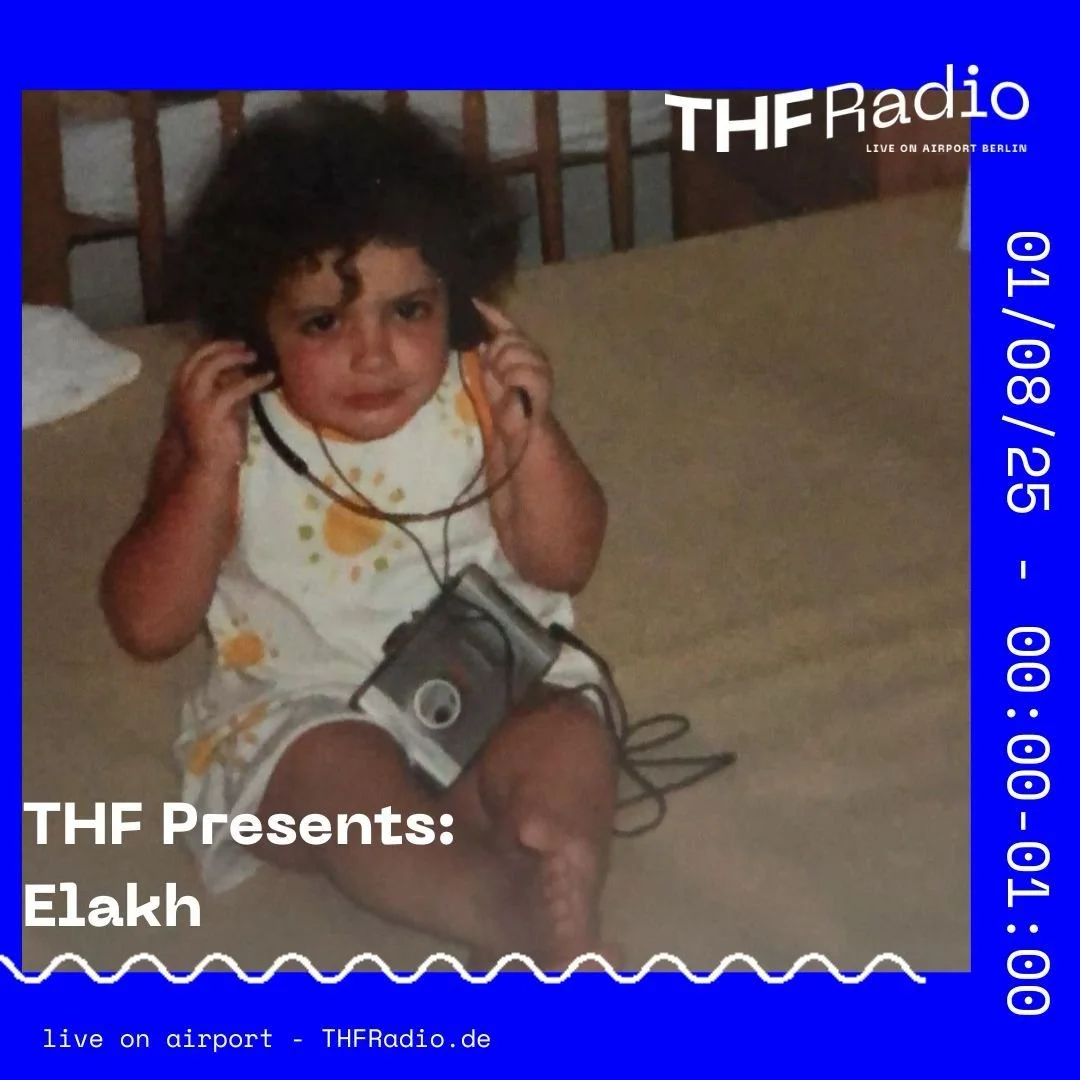
ELAKH plays three distinct kinds of sets, each with a different function.
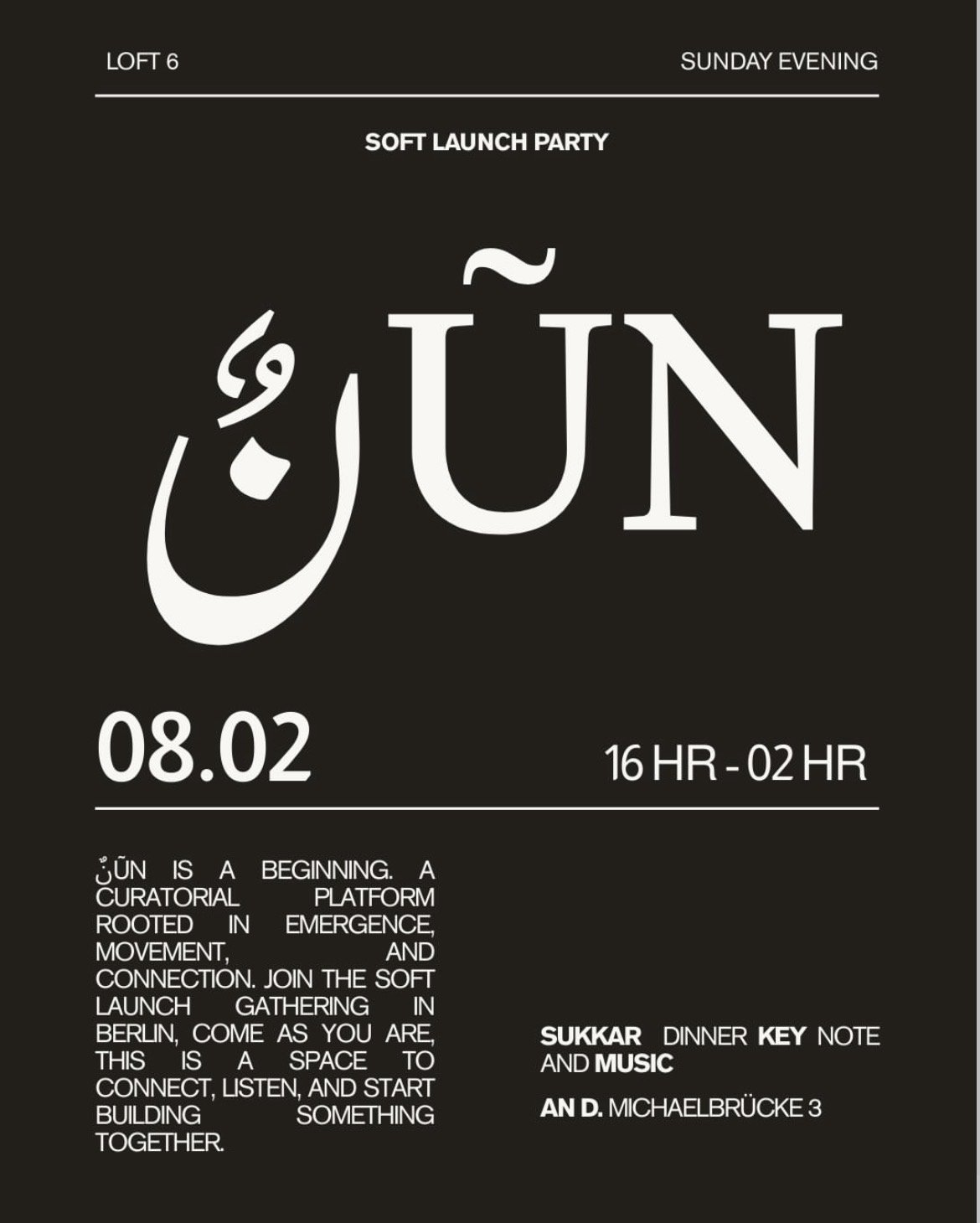
The First is the Sufi rhythmic opening set: it sets intentions, opens the space, and brings everyone into the same room, mentally as well as physically.
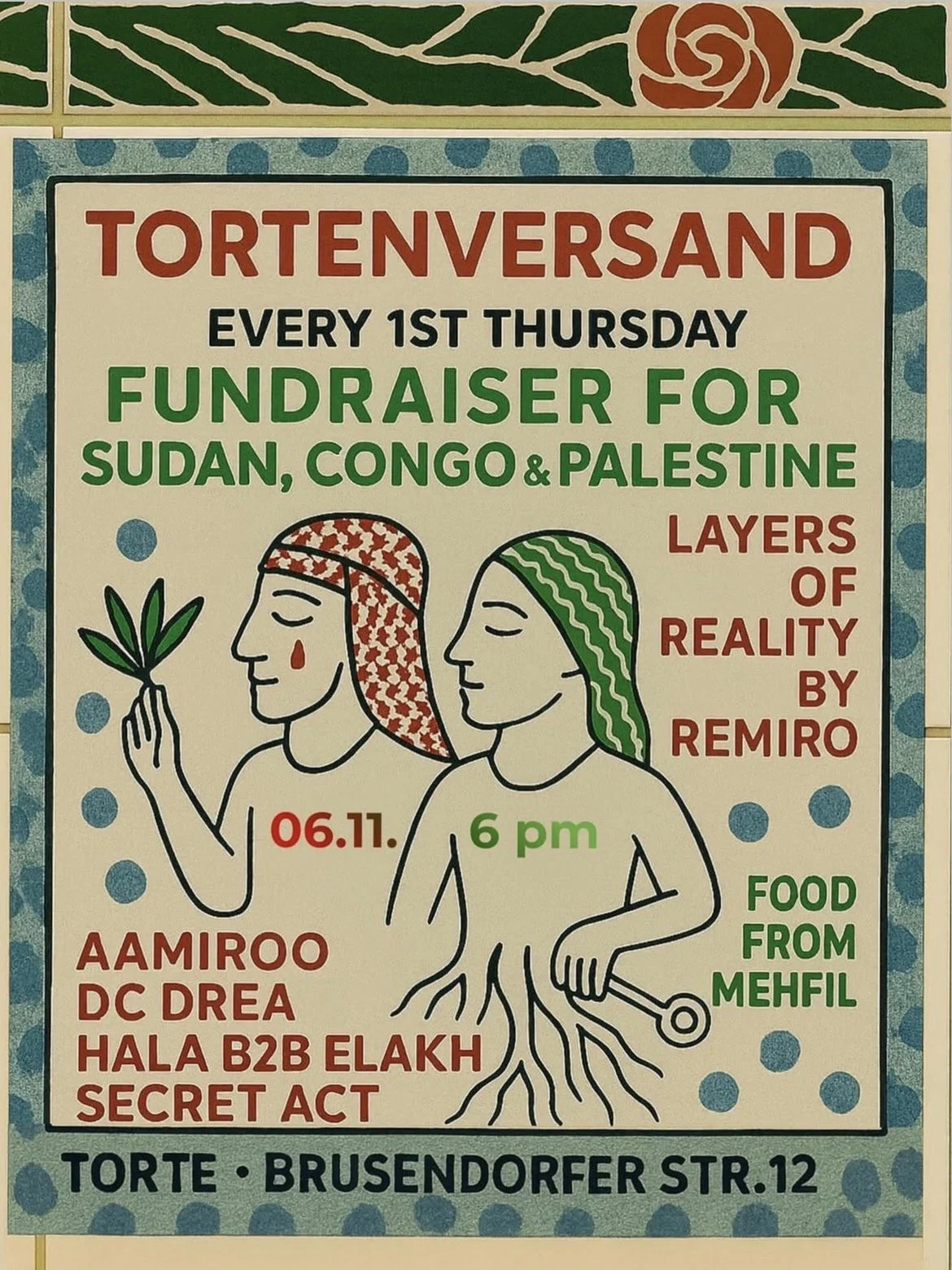
The Second is the peak-time set, always collaborative and collective: a B2B, a live jam, or an electronic production happening in real time, because the best way to make a room lose its mind is to stop pretending one person should control everything.
The Third is the closing set, where our angels and demons finally meet for a strange, slightly inappropriate dance: drum and bass, sexy house, restless thoughts, unresolved conflict, and bodies that have decided sleep is tomorrow’s problem. These are three different kinds of sets, with three different energies: intention, communion and confrontation.
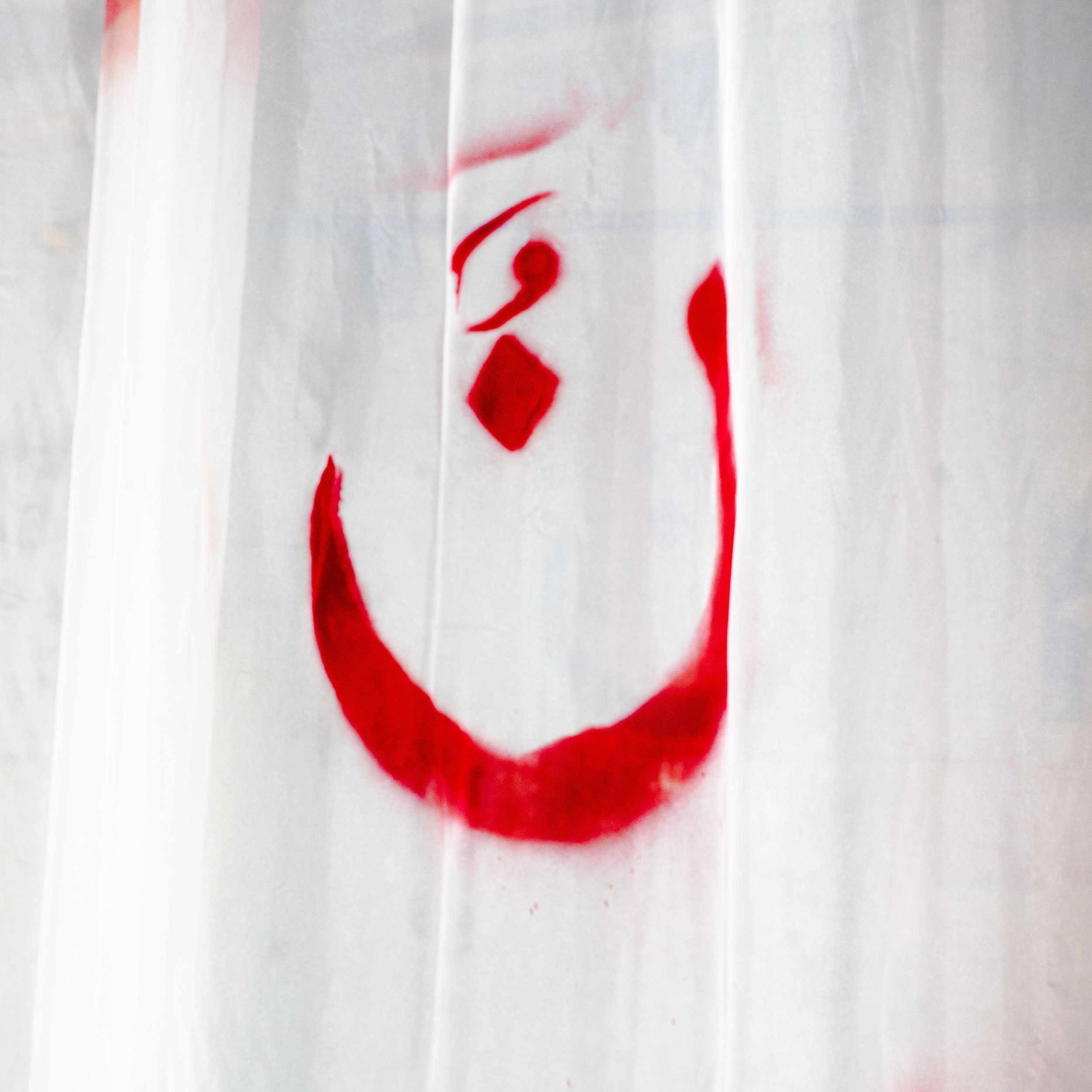
The name is not a logo; it is a diagram of how my brain works.
ELAKH comes from el akh, “the brother”. While elakh. elakh is the brother twice over: repetition, backup, collaboration and the refusal to pretend anything is ever made alone. Ellaakheroh echoes إلى آخره: “and so on,” “etc…” & “to the end” which is basically how I approach every idea, refusing to stop at the first form it takes.
.HKALE.ELAKH. turns ELAKH around and places it beside itself: mirrored, reversed, translated, reassembled. It also means “He Called Me ELAKH.” The dots are pauses and thresholds; the name keeps moving between versions, just like I do. A beat becomes a sentence, a sentence becomes a scene, a stitch becomes a pattern, a garment becomes an archive, and a room becomes a set. ELAKH is not simply what I call the work; it is the notation for the mind making it: looping, translating, acquiring tools, and taking the idea to the end, or ellaakheroh, because apparently one ending is never enough.
LINKS
Ask, and you shall receive. I am a student as much as I am a teacher; competition is not in my rulebook. Knowledge sharing and yes, overexplaining, is not anti-minimal or a vibe-killer. It gives even one more person a new lens, a new tool, and a new chance to grow. The internet already has enough gatekeepers.